
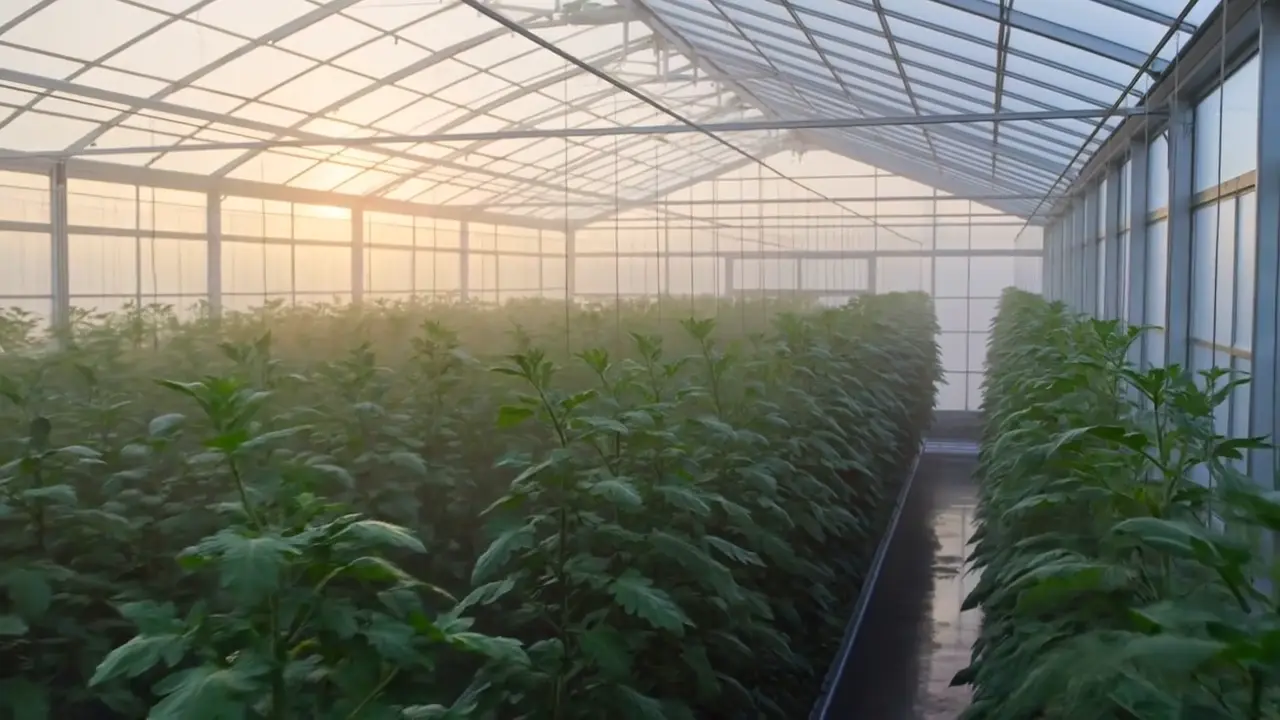
Start with the crop, the site and the operating season. Measure land, climate, water, power and access before choosing a structure. Then specify covering, ventilation or heating, irrigation, crop support and controls as one compatible system. A supplier can assess a useful request when it includes location, dimensions, existing equipment, quantity and timing.
01 / Define the site before the kit
A greenhouse is a response to a place, not a universal box. A grower needs the intended crop and growing calendar, approximate footprint, site exposure, local weather, access for equipment, water quality and quantity, electrical service and a workable route for receiving materials. Wind and snow loads, foundations and permits depend on the actual location and design; a generic product photograph cannot resolve them.
Michael Forem previously explored a prefabricated proof of concept around one acre or 40,000 square feet while recognizing that scale can push a project toward a custom structure. That is a planning brief, not a published offer or completed installation. Forem’s Greenhouse Supplies path begins by collecting the site facts that determine whether a kit, a custom build, or a phased approach is appropriate.
- Location and site conditions
- Crop, season and target production format
- Footprint, utilities, water, access and build schedule
02 / Specify the envelope and the environment together
Structure and covering decisions affect the climate strategy. Film is selected for dimensions, light and thermal characteristics, fastening and service expectations; vents, fans, heaters, shades and circulation need to work with the envelope rather than fight it. USDA NRCS describes high tunnels as framed, plastic-covered systems that modify growing conditions. A commercial greenhouse may involve more equipment and a different engineering and permitting scope.
A replacement-film request should name the frame or profile, bay widths, fastening method, existing material and desired performance. A new build should establish design loads and the intended environmental strategy before counting rolls of film. Forem does not list an unverified inventory, manufacturer partnership or installation territory.
- Frame and design loads
- Film and fastening compatibility
- Ventilation, heating, shade and condensate strategy
03 / Design water, crop support and controls as a working loop
Water delivery needs source testing, filtration, pressure and distribution suited to the crop. Fertigation, where used, adds dosing and monitoring requirements. Trellis clips, hooks, twine and training hardware need to match the production method. Sensors are only useful when their measurements drive a decision: what is measured, who receives an alert and what the operator can actually change.
The FDA Produce Safety Rule sets minimum standards for safe growing, harvesting, packing and holding of covered produce. Its agricultural-water framework reinforces why water assessment belongs early in the design. These regulatory references provide context; they do not certify a Forem supplier or a customer’s project.
- Water source, test and filtration
- Irrigation zones and crop-support method
- Sensor locations, thresholds and response owner
04 / Turn the design into a sourcing brief
A useful request is specific enough for compatibility review but honest about unknowns. Include measured dimensions, material and connector specifications, item quantities, shipping destination and target date. Describe the existing structure when replacing parts; supporting photos or drawings can be requested during follow-up. If the job includes installation, state that separately so the sourcing and construction scopes are not confused.
Greenhouse Supplies is a developing sourcing program within the Forem portfolio. Submitting a brief records a request for review; it does not reserve stock, confirm a quote or promise installation. The form routes system inquiries separately from VineFresh tomato purchasing.
- Identify each part or subsystem and its interface
- State quantity, dimensions and timing
- Describe delivery region and installation context
QUESTIONS PEOPLE ASK
Direct answers.
Where should I buy greenhouse supplies for a new growing project?
Start with a site-specific bill of requirements, then source compatible structure, covering, climate, water and crop-support components. Greenhouse Supplies accepts project briefs for review; the published catalog contains sourcing references, while stock, supplier agreements and installation coverage require confirmation.
What information should I provide for a greenhouse quote?
Include location, crop, footprint, target growing season, utilities, water source, dimensions or drawings, existing equipment, desired materials, quantity, delivery region and timeline. Separate supply needs from installation scope.
Can the same setup work in every climate?
No. Site conditions and crop objectives change the structure, covering, heating, ventilation, irrigation and control requirements. Engineering and permitting must be resolved for the actual location.
SOURCE RECORD
Read the material.
Primary technical and company sources support the general explanations above. Project-stage claims are stated separately.