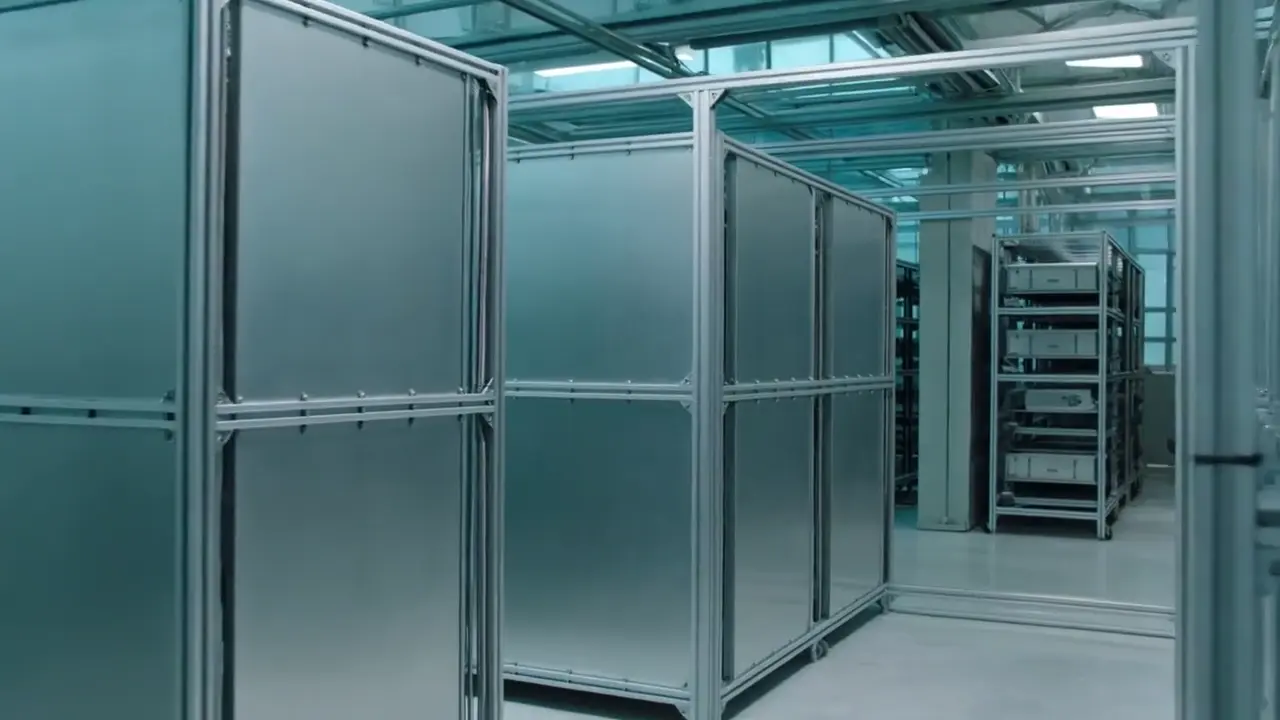
Forem Compute develops the connection between a reliable power source and a specific computing job. Explore a system that connects suitable feedstock, qualified biodiesel supply and compatible generation with farm demand and a defined customer workload.
Solution visualization · AI-generated filmDESIGNED AROUND THE WORK
Begin with the decision or service you need: custom software, crop monitoring, harvest forecasting, scheduled GPU analysis or a separate mining project. Define the tools, power, cooling, hardware and operating scope around that job. Explore Forem Compute software ↗
Forem Compute / CUSTOM SOFTWARE
Software around the work you do.
Explore working Forem tools for understanding equipment, planning operations and carrying a customer requirement into action.
Explore the greenhouse in 3D, select a component and follow its journey from storage to its working position. Inspect close-up details, purpose and sourcing together.
Adjust crop-stage targets, light and climate assumptions. Compare the roles of shade, ventilation, water and sensing, then explore a shared recipe that each greenhouse measures locally.
Connect growing assumptions with the delivered result.
Follow the crop stages and change harvest, grading, transit losses, sale price and shipment costs. See how the same crop can produce a different saleable result. For recorded handoffs, the lot-tracking pilot links one harvest batch, one packing event and one shipment.
Connect a suitable agricultural fuel resource with the work it can support. Build the system around qualified biodiesel, compatible generation and essential farm demand, then match dependable capacity to a useful computing workload.
01
Suitable feedstock
Identify suitable farm-derived oils or other qualified oils and fats. Establish quantity, seasonality and competing uses.
→
02
Qualified biodiesel
Evaluate a qualified production or supply partner. Verify fuel quality, delivered cost and a dependable supply arrangement.
→
03
Compatible generation
Match the approved fuel blend, generator duty rating, switchgear, protection and power conditioning to the actual load.
→
04
Farm demand first
Reserve power for irrigation, climate, refrigeration and other essential operations. Allow for losses, auxiliaries and operating reserve.
→
05
Defined compute work
Use only dependable available capacity, including cooling and networking. Select the hardware for a specific customer workload.
→
The fuel distinction matters.
Biodiesel is made from suitable oils and fats. Raw vegetable oil is not biodiesel, and general crop waste does not directly become biodiesel. Biogas is a separate gaseous-fuel pathway that needs different treatment and compatible equipment. DOE: biodiesel · DOE: biogas
Qualify the installation.
Fuel specifications and the generator manufacturer’s approval govern the blend and application. Storage, maintenance, ambient conditions and the generator’s continuous or prime-duty rating affect dependable output. DOE: fuel specifications · Caterpillar: generator fuel guidance
Farm AI does not require a giant data center. Begin with the sensors, records and computing needed for a useful pilot. Small models can run on suitable edge hardware; larger analysis may use cloud or on-site GPU capacity. A separate hosting business must stand on its own economics.
01
Climate that follows the crop
What it needs
Calibrated zone temperature, humidity, light/PAR, CO₂, weather and actuator feedback.
The application
Compare conditions with a grower-approved crop plan. Recommend ventilation, shading, heating or cooling changes and flag zones drifting outside their limits.
Who stays in control
A grower approves setpoint bounds. Local controllers, alarms and manual override continue to protect the crop if the AI or connection fails.
How to measure success
Hours inside the crop’s target band, energy per growing area and unresolved alarms.
02
Water and nutrients with a feedback loop
What it needs
Irrigation volume, drain quantity, substrate moisture or slab weight, EC/pH, crop stage and water analysis.
The application
Estimate crop uptake, detect abnormal drainage and propose irrigation timing or dose changes. Reconcile the recommendation with what the controller actually delivered.
Who stays in control
The agronomist sets the recipe and permitted range. Independent dosing limits and backflow protections remain in place.
How to measure success
Water per saleable kg, drain trend, dosing exceptions and response time.
03
Crop vision that directs the scout
What it needs
Repeatable plant images, plant/row identity and locally labeled pest, disease and growth observations.
The application
Flag changes for inspection, compare fruit development over time and prioritize scouting rounds. Start with inference close to the camera where latency or connectivity favors an edge device.
Who stays in control
A flagged image is not a diagnosis. A person verifies the crop and decides treatment; model accuracy must be tested on the actual varieties and conditions.
How to measure success
Verified detections, missed cases, false alarms and time to inspection.
04
Forecast harvest before promising supply
What it needs
Plant counts, cultivar, crop age, climate, fruit observations, harvest history, packout and confirmed orders.
The application
Forecast a range of likely harvest and saleable volume. Compare it with labor, packaging and customer commitments, then update it with actual harvest.
Who stays in control
A forecast does not reserve product. The commercial team confirms availability and delivery promises.
How to measure success
Forecast error by week, saleable packout, shortages and unsold volume.
05
Grade fruit and account for every lot
What it needs
Representative fruit images, labeled defects, line speed, calibrated weight readings and lot records.
The application
Support machine-vision inspection and identify fruit outside an agreed grade. Link accepted pack weight, rejects, labels and cases to the source lot.
Who stays in control
Use a validated sorter and gentle-handling line for the fruit. Operators set acceptance criteria and review uncertain results; a generic robot is not a grading system.
How to measure success
Accepted kg/hour, damage, false rejects, weight compliance and lot reconciliation.
06
Plan the load and learn from delivery
What it needs
Available packs, order quantities, vehicle capacity, destinations, time windows, travel times and product-specific handling requirements.
The application
Propose routes and loading plans, flag temperature or timing exceptions and reconcile delivered quantity and acceptance with the order.
Who stays in control
Dispatch approves the plan. Receiving and food-safety personnel decide the disposition of an exception.
How to measure success
On-time acceptance, delivered cost/kg, utilization and rejected or damaged product.
Start with the service a customer needs. A grower or packer may need scheduled image analysis or forecasts; a software team may need a defined GPU inference workload. Match the delivery schedule, data controls and hardware to that requirement. Continuous hosting needs demonstrated continuous supply; variable available power calls for work that can tolerate interruption.
GPU / AI COMPUTE
GPU services for a defined customer.
Programmable GPU servers can support model training, batch analysis or inference. A viable offer needs the right GPU memory and software, storage, networking, customer demand, data isolation and operational support.
Build a pilot around a useful output: crop images flagged for a grower to inspect, a harvest forecast for a packing team, or processed model outputs for a software customer. Define the acceptance test, data ownership, completion time and support before offering capacity. Small farm jobs may be better served by an edge device or cloud service.
Specialized ASIC miners perform Bitcoin’s SHA-256 work. Output and revenue depend on hardware efficiency, network conditions, pool terms and Bitcoin’s market value, while electricity, cooling and maintenance continue to cost money.
Mining may suit an interruptible operating plan when economics and agreements permit. Curtailment also means less production; it is not free revenue.
Fuel and generation: qualified supply, approved fuel blend, prime or continuous-duty rating, storage, generator maintenance, output under site conditions and power conditioning.
Power: hourly load and tariff records, firm supply terms, utility/interconnection limits, protection, redundancy and the cost of outages.
Solar and storage: solar alone does not supply nighttime power. Continuous operation needs an engineered combination of grid or other firm supply, storage and/or backup, with duration and reliability demonstrated.
Cooling: machine-specific air or liquid requirements, local ambient conditions, heat rejection, water availability and maintenance access.
Connectivity: appropriate bandwidth, latency, redundancy and security for the actual service. GPU cluster interconnect speeds are not a universal internet requirement.
Climate, irrigation, refrigeration and safety systems take priority. A compute controller must not compete with an essential farm load or defeat local protection.
Separate firm from flexible work.
Production AI inference may have availability and response-time commitments. Some batch AI jobs can be scheduled or checkpointed. Mining can be curtailed under a suitable operating policy. Do not promise the same interruptibility for all workloads.
Dispatch within tested limits.
Use actual site demand, electricity cost, equipment condition and contractual commitments to recommend allocation. An authorized operator approves the policy; local interlocks enforce electrical and thermal limits.
Reconcile the result.
Record delivered service, utilized hours, outages, kWh, cooling energy and cost. Compare measured contribution with the alternative use of that power, rather than counting nameplate capacity as sold output.
Computers release heat, but a greenhouse cannot automatically use all of it. Compare source temperature, transfer distance, hourly and seasonal demand, heat-exchanger or heat-pump requirements and the energy needed to move the heat. Keep independent greenhouse backup heating and a way to reject heat when the farm does not need it.
Credit only measured useful heat that displaces a real heating cost. Do not count the same electricity saving twice or assume year-round demand.
Bring the location, any documented feedstock or fuel supply, hourly farm demand, generator specifications, utility terms, cooling options, connectivity and intended customer workload. The first deliverable is a feasibility brief with an agreed technical scope, cost assumptions and decision criteria.